
Why Can Transitions Be a Challenge?
Why Even the Good Life Changes Can Feel So Hard
Have you ever found yourself feeling overwhelmed during a season that was supposed to be exciting? Maybe you started a new job you've worked toward for years. Maybe you bought your first home, got married, welcomed a baby, or finally made the move you'd been dreaming about. You expected to feel happy. Instead, you felt anxious. Maybe you found yourself crying more than usual, feeling emotionally drained, questioning yourself, or wondering why you couldn't just enjoy the moment. If that sounds familiar, you're not alone.
One of the biggest misconceptions about change is that only negative transitions are hard. We expect grief after a loss or stress after a divorce. We understand why losing a job or going through a major illness would affect us emotionally. But we don't always expect the same emotional response when something wonderful happens. The truth is, change is still change. And our brains don't necessarily categorize it as "good" or "bad." They simply recognize that life is different now.
One thing I often tell clients is this: every beginning also comes with an ending. When you start a new job, you're leaving behind the people, routines, and familiarity of your old one. When you become a parent, you're also saying goodbye to the version of life you knew before children. Moving into your dream home might mean leaving the neighborhood where you built memories. Even retirement—something many people spend years looking forward to—can leave someone wondering, Who am I now that I'm no longer doing the work I've always done?
We don't often give ourselves permission to acknowledge what we're losing because we're so focused on what we're gaining. But both can exist at the same time. You can be incredibly grateful for a new opportunity while still grieving what you've left behind. Those emotions don't cancel each other out.
Think about how much of your day happens without you really thinking about it. You wake up, make your coffee, drive the same route to work, or settle into familiar routines at home. Your brain loves patterns because they require less energy and help you feel safe. Then a transition comes along and suddenly everything changes.
Your schedule looks different. Your responsibilities change. You're learning new names, new expectations, new routines, or even a new version of yourself. That's a lot for a brain to process.
It's one reason you may notice yourself feeling more forgetful, more emotional, or more exhausted than usual during periods of change. You're not doing anything wrong. Your brain is simply working overtime to adapt.
One of the things I wish more people understood is that emotions aren't an either-or experience. You don't have to choose between being excited or being scared. You don't have to decide whether you're grateful or grieving. You can be both. You can love your new home and miss your old one. You can be thrilled about becoming a parent and miss having time to yourself. You can be proud of earning a promotion while also wondering if you're capable of handling it.
Life is full of mixed emotions, especially during transitions. Giving yourself permission to experience all of them is often far healthier than trying to convince yourself you should only feel the positive ones.
We live in a culture that loves quick fixes. We often expect ourselves to adjust immediately, bounce back quickly, and move confidently into whatever comes next. But transitions rarely work that way. There's usually an awkward middle season where your old life doesn't quite fit anymore, but your new life doesn't feel comfortable yet either. That middle can feel frustrating. You might wonder why everyone else seems to have figured it out while you're still trying to find your footing.
The truth is, most people are adjusting more than they let on. Change takes time—not because you're weak, but because you're human.
When life feels uncertain, it's easy to focus all your energy on solving problems or checking things off your to-do list. But during seasons of transition, your nervous system often needs something different. It needs consistency.
Something as simple as eating regular meals, getting enough sleep, taking a walk, talking with someone you trust, or keeping one familiar routine can help create a sense of stability when everything else feels new. You don't have to have everything figured out today. Sometimes the goal isn't to make the transition disappear. It's simply to help yourself feel steady enough to move through it.
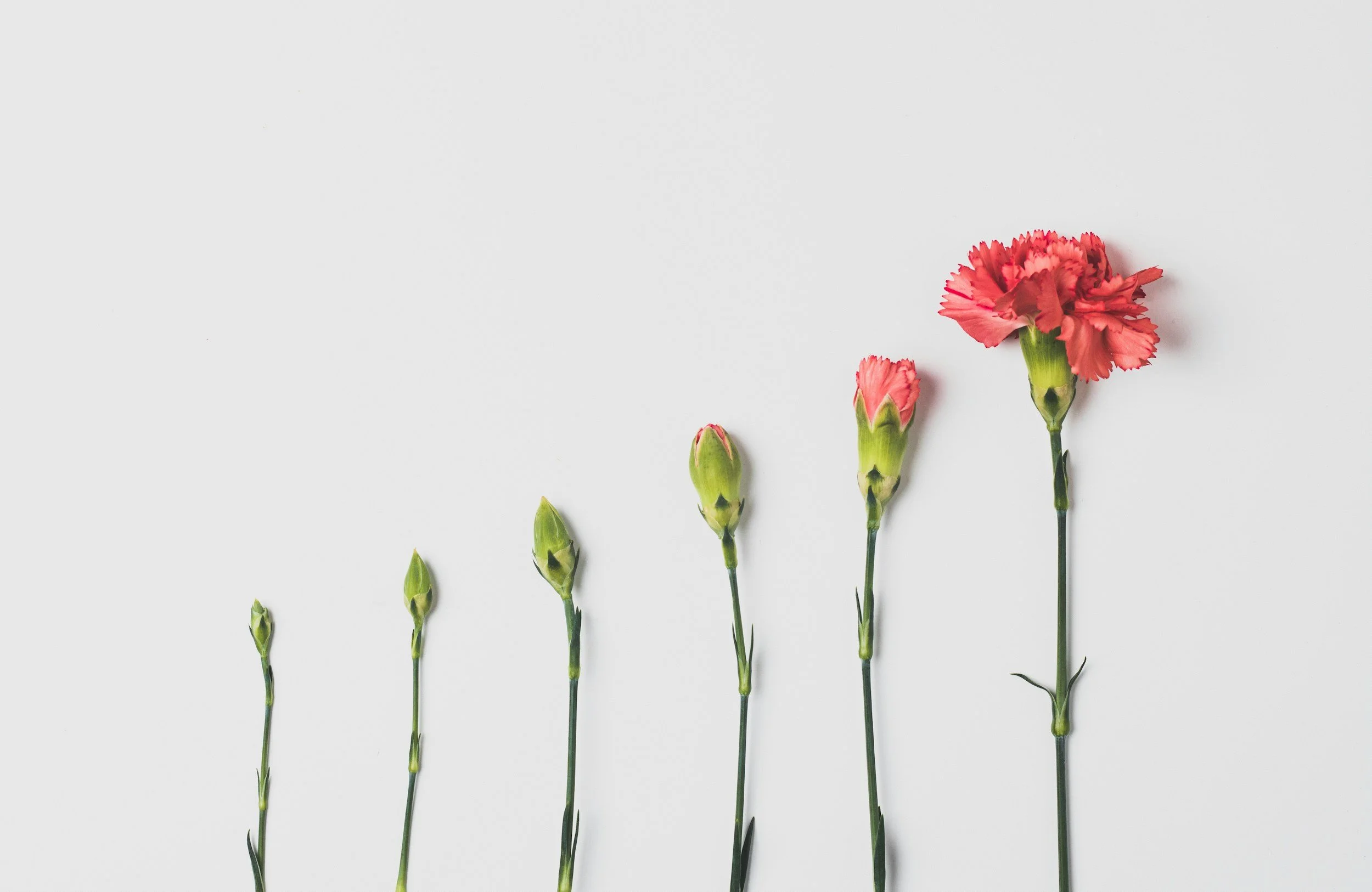
If you're in the middle of a transition right now, I'd encourage you to stop asking yourself, "Why is this so hard?" Instead, try asking, "What would it look like to be kind to myself while I adjust?" That small shift can make a world of difference. Because transitions aren't just about changing jobs, moving homes, getting married, or experiencing loss. They're about becoming. They're about letting go of one version of life while slowly growing into another. And that process deserves patience.
Whether you're walking through a transition you chose or one you never saw coming, it's okay if it feels harder than you expected. You don't have to rush yourself. You don't have to pretend you're fine. And you certainly don't have to earn the right to struggle simply because your change is a positive one. Growth often feels uncomfortable before it feels familiar. So if today feels uncertain, remember this: You're not falling behind. You're adjusting. And sometimes, that's one of the bravest things we can do.
